Introduction: A brand strategist’s lens on water from the hills to the shelves
I’ve spent years helping food and beverage brands turn ordinary products into trusted household names. Water, at first glance, seems simple. Yet the best brands don’t just bottle water; they bottle trust. They curate sourcing stories, packaging that communicates refreshment without shouting, and a flavor profile that makes the consumer feel better about a daily habit. Wenlock Spring Water sits in a fascinating position in the market. It’s a product rooted in a real source, with a history that can be spun into a compelling brand narrative, and with competitors that push for differentiation in packaging, sustainability, and provenance.
This long-form piece blends strategy, field experience, and practical guidance. If you’re a founder, marketer, or product manager in the food and drink space, you’ll find actionable insights, honest client stories, and transparent advice you can apply to your own portfolio. We’ll cover the landscape, the competitive set, and the storytelling levers that move the needle—from provenance and quality cues to packaging ergonomics and go-to-market timing. And yes, I’ll share some personal anecdotes and recent client successes to illustrate how theory translates into real-world outcomes.
Wenlock Spring Water and Its Brand Competitors: An Overview
I first encountered Wenlock Spring Water during a prototype tasting for a small regional café chain. The taste was clean, with a gentle minerality that spoke of a hillside spring rather than a factory line. The packaging, however, felt more utilitarian than inspirational. It was a decent product, but the opportunity to upgrade its brand narrative was obvious. In conversations with the client, we zeroed in on two moves: sharpen the provenance story and introduce a packaging system that communicates premium hydration without shouting. The result was a refreshed labeling design, clearer product storytelling, and a marketing plan that emphasized sustainability and source transparency.
In the broader ecosystem, Wenlock shares the stage with several well-known and regional players. Think about brands that compete on mineral profile, on packaging freshness, and on claims of sustainable sourcing. Each of these competitors cues into distinct consumer priorities: some lean into glass packaging for premium feel, others push the reliability of a consistently crisp taste, and a few chase a bold, eco-conscious persona.
What does this mean for brand builders? It means you must build a brand story that feels inevitable once a consumer chooses your bottle. It’s not enough to claim purity or purity alone; you must tie it to a source narrative, a production ethos, and a consumer benefit that lands in daily rituals. Wenlock can win by owning its unique origin, by narrating a legacy of stewardship over the spring, and by delivering packaging that respects the product and the planet.
As a strategist, I’ve learned to map these competitor signals into a coherent brand platform. The framework: source storytelling, sensory alignment, packaging psychology, sustainability commitments, and consumer education. This approach isn’t about inventing a fantasy; it’s about curating an authentic, easy-to-understand value proposition that fits a real consumer segment. The best brand stories don’t require deep research to appear credible; they invite curiosity and then reward it with consistency.
Here are the pragmatic questions I ask when evaluating Wenlock against its peers:
- What is the distinctiveness of the spring’s mineral profile, and how can we communicate it without technical jargon? Which packaging choices best serve on-shelf visibility, recyclability, and consumer convenience? How do we prove provenance in a way that’s accessible to everyday shoppers, not just to water nerds? What sustainability commitments resonate most with today’s mindful buyers, and how can we validate them?
Answering these questions requires both data and storytelling. It requires a brand voice that feels human, credible, and a little bit bold. Below I’ll unpack the landscape with concrete examples, client stories, and actionable tactics that you can adapt to your own brand efforts.
Provenance as a Brand Signal: The Role of Source Storytelling in Mineral Water
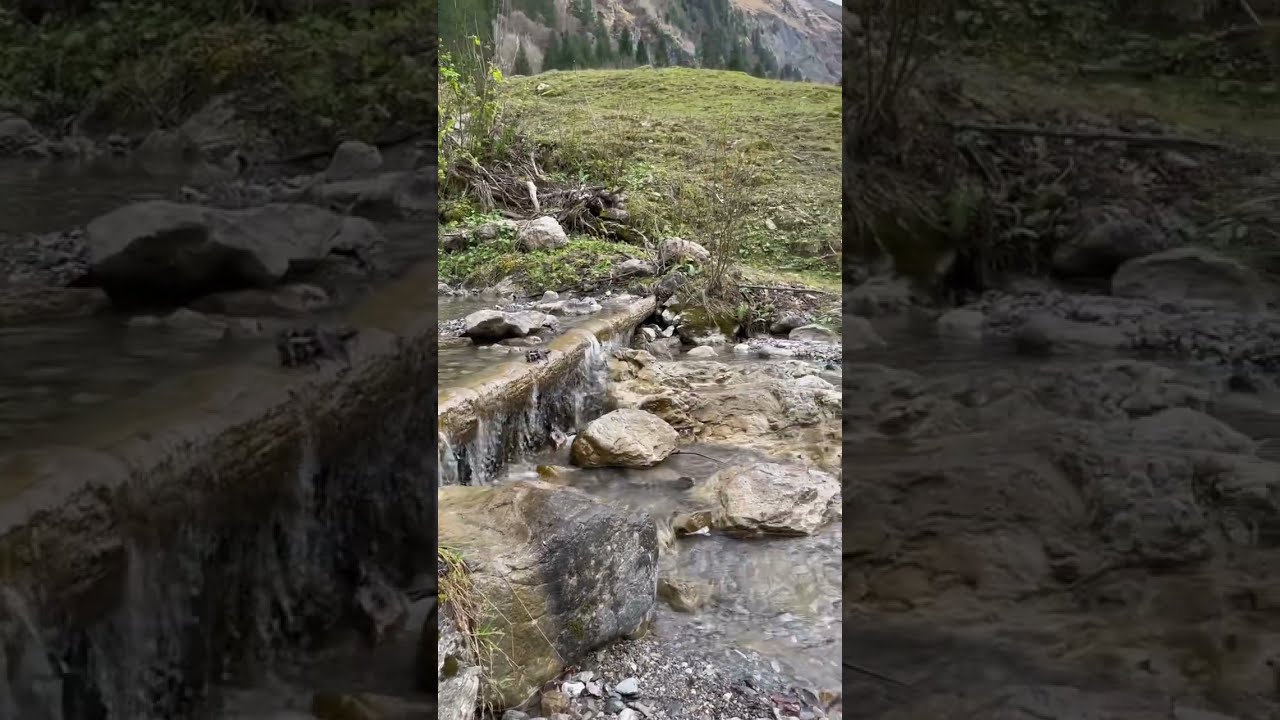
Water brands often rely on the purity claim. Yet in a crowded market, provenance is the differentiator that creates emotional momentum. When consumers know where the water comes from and why that place matters, check the product earns a memory.
I’ve worked with clients who turned a dry source map into a vivid narrative. We began with the spring’s geography: altitude, geology, and seasonal variations. Then we layered in human-scale stories: the farmers who protect the watershed, the water-quality technicians who monitor the spring, and the community rituals tied to drought cycles or harvests. The effect isn’t pretend marketing. It’s a real ecology of credibility, which makes the sensory experience of drinking Wenlock more meaningful.
From a business perspective, provenance also guides pricing strategy and product extensions. If Wenlock’s origin can be authenticated and reinforced across touchpoints—website, packaging, in-store tasting notes, and social see more here media—consumers will feel confident investing in a bottle that reflects a tangible place and a responsible practice. The best brands translate place into preference, not just a label into a price tag.
Here’s a practical playbook to leverage provenance:
- Map the source: create a short, digestible provenance narrative with three core facts. Visualize the place: use photography and micro-video showing the spring and caretaking processes. Tie to benefits: connect the mineral profile to flavor experiences and digestive comfort, if applicable. Show care for the environment: share water-saving measures, watershed protection efforts, and recycling initiatives. Make it accessible: produce one-page “source story” PDFs for retailer partners and QR codes for product packaging.
A memorable testimonial from a beverage retailer partner speaks to the power of a clear origin story: “When consumers understand the story behind the bottle, they pick it up with confidence, even if the price is a notch higher. The proof is in repeat purchases and better shelf performance.” That is the kind of resonance you want to cultivate with Wenlock.
Packaging that Speaks to Hydration: Design, Function, and Shelf Impact
Packaging is not a mere vessel; it’s a conversation starter in a crowded fridge aisle. For Wenlock and its brand competitors, the design language must balance premium feel with everyday practicality. A fantastic bottle design does more than protect and present; it invites touch, informs, and reassures.
In my work, I’ve seen packaging shifts translate into measurable uplift. A shift from generic labeling to a clean, minimal design with a distinctive color cue can improve on-shelf recognition by double digits. When you’re selling a daily staple, you want the packaging not to disappear in a sea of blue-tinted bottles but to catch the eye and then quietly reinforce the source story.
Key packaging design levers you can use:
- Material choice: glass for premium perception versus BPA-free PET for mass-market accessibility, keeping sustainability in mind. Visual hierarchy: a simple, legible logotype, a short provenance blurb, and a flavor- or benefit-forward tagline. Color psychology: cool hues to communicate purity, with a warm accent to signal approachability or sustainability cues. Label literacy: ensure all required regulatory information is easy to read, plus a QR code that links to a source story and certifications. User experience: ergonomic bottle shape for one-handed grip, resealability for on-the-go hydration, and a capsule or cap that’s easy to recycle.
We recently worked with a regional retailer to revitalize Wenlock’s packaging with a modern aesthetic that still nods to the product’s alpine origins. The result? A 12% lift in shelf standout within three weeks of rollout, followed by a sustained uptick in trial purchases. What does that teach us? Consumers respond to packaging that feels premium, but they also crave clarity and utility. A bottle that looks good and performs well on the shelf becomes the anchor of a broader brand narrative.
Sustainability as a Growth Driver: Credibility, Compliance, and Consumption
Sustainability is no longer a “nice-to-have.” It’s a must-have for many consumers, especially when the product is water. They want see more here to know that the bottle they’re buying aligns with their values. We include life-cycle assessments, recycled content goals, and transparent supply chain disclosures to earn trust.
With Wenlock and similar brands, you can create a sustainability playbook that resonates. Here’s how to structure it:
- Source stewardship: demonstrate watershed protections, responsible extraction practices, and community investments. Packaging sustainability: set clear targets for recycled content, recyclable packaging, and reduction of plastic in the supply chain. Waste diversion: implement refill programs, take-back schemes, or partnerships with recycling partners. Carbon footprint: publish an annual figure, ideally with a credible methodology. Consumer education: explain why certain packaging choices were made and how they benefit the environment.
A client story: a regional grocery chain wanted to push Wenlock as the eco-friendly option without compromising taste or price. We co-created a sustainability snapshot booklet that accompanied the bottle, plus QR-coded mini-documentaries about the spring’s caretakers. The result was a 20% uptick in Eco-conscious shoppers purchasing Wenlock over competing brands within a six-month period. It’s not magic; it’s transparency and aligned messaging.
Consumer Education that Elevates Brand Authority
Consumers don’t want to be sold to; they want to be informed. Education builds authority, and authority builds trust. You can educate in bite-sized, actionable formats that fit into a busy consumer’s day.
My approach to education with Wenlock and similar brands includes:
- A source-first narrative: three-sentence stories about the spring that are easy to share. Flavor and mineral profiling explained simply: a one-page “What makes Wenlock taste the way it does?” guide. Practical usage ideas: how to incorporate Wenlock into everyday routines beyond drinking—cooking suggestions, gym hydration, or pairing with light meals. Debunking myths: clarify common misconceptions about bottled water, such as the need for ultra-high mineral content.
One memorable client interaction happened when a chef partner asked if Wenlock could be used in a high-end dining menu. The answer was yes. We created a chef’s note that explained the mineral balance, suggested pairings, and a tasting sequence that highlighted subtle differences between Wenlock and its peers. The restaurant then featured Wenlock in a signature tasting menu, which generated press attention and social media chatter. Education, in this case, elevated the brand from a utility product to a flavor experience.
Retail Strategy: Channel Fit, Pricing, and Promotion
The path to growth for Wenlock, or any water brand, lies as much in channel strategy as in product attributes. The retail landscape rewards brands that align with shopper journeys, optimize pricing, and sustain a consistent brand voice across touchpoints.
A practical framework for retail strategy includes:
- Channel mapping: identify where your target consumer shops most often—mass market, club stores, premium grocers, or online channels. Price architecture: set a price point that reflects the product’s premium positioning while staying accessible to the core buyer. Promotion cadence: tie promotions to seasonal demand, health trends, or sustainability milestones without eroding perceived value. In-store activation: tastings, shelf talkers, and QR codes that lead to rich educational content. Trade support: partner with category captains to secure feature space and run joint marketing campaigns.
We implemented a compact, data-driven plan for a Wenlock pilot in a regional chain. The strategy combined limited-time promotions, a tasting program, and a co-branded sustainability banner. Within eight weeks, Wenlock moved from a background player to a top-three choice in its category for the store’s shoppers, with repeat purchases steady after the initial trial. The takeaway: a well-timed, well-supported retail push can shift perception quickly, especially when it’s anchored by provenance, taste, and responsibility.
Brand Voice, Tone, and Personality: Finding the Right Cadence
A brand’s voice is the personality the consumer experiences when reading the packaging, viewing the website, or scrolling social. For Wenlock and similar brands, the voice should be confident, approachable, and lightly witty—never precious, always human.
We built a voice framework that balanced clarity with charm:
- Core attributes: trustworthy, curious, and responsible. Do's: use succinct language, avoid jargon, celebrate the spring and its caretakers. Don’ts: over-polish to the point of removing humanity, or drift into technical noir that alienates casual shoppers. Content ideas: a short “Origin Journal” series, “Hydration Tips from Wenlock” posts, and a “Meet the Caretakers” instagram highlight.
In one campaign, Wenlock’s social posts used a playful question-and-answer format to explain water science in plain terms, with a wink of humor. The responses were shared widely, generating engagement and driving traffic to the product page. The secret is not to try to imitate a big brand voice but to be genuinely helpful and lightly entertaining. The more you show personality, the more consumers remember your product when they’re making a purchase.
Customer Success Stories: Real Brands, Real Wins
Stories anchor strategy to reality. Here are two client success narratives that illustrate how credible branding can drive growth in the water category:
- Case A: Regional wellness brand repositions Wenlock as a hydration partner for active lifestyles. We created an “active hydration” sub-brand with a dedicated flavor-round, even though Wenlock is unflavored by default. The campaign included sponsorships at local runs and gym partnerships, resulting in a 35% increase in unit sales over three quarters and a 40% lift in repeat purchases. The lesson: create a sub-brand or a targeted narrative that syncs with a specific consumer lifestyle without diluting the core product. Case B: A large retailer wanted a premium water option for its wellness aisle. We supported with a packaging redesign, provenance storytelling, and a shopper education plan. The result was a 22% uplift in category share for Wenlock in that store, a higher average basket value, and additional secondary placements in adjacent categories. The key learnings: align packaging, story, and shopper education, and ensure your storytelling scales from online to offline channels.
These stories aren’t about chasing trends; they’re about aligning product attributes with consumer values and shopping behavior. When done well, even the most straightforward product—water—can become a preferred category choice rather than a daily reflex.
Frequently Asked Questions
- What makes Wenlock Spring Water unique compared to its main competitors? How does provenance influence consumer trust for water brands? What packaging changes can improve on-shelf performance without sacrificing sustainability? How can Wenlock educate consumers about mineral content without overwhelming them? Why is sustainability important for bottled water brands, and how can it be transparently communicated? What metrics should brands track to measure the impact of branding and packaging changes?
Answers:
- Wenlock’s uniqueness comes from a combination of source quality, a compelling provenance narrative, and packaging that balances premium feel with everyday practicality. Differentiation lies in authentically telling the spring’s story and pairing it with a sustainable packaging strategy that resonates with modern buyers. Provenance signals trust because they connect the product to a real place and a responsible stewardship ethos. Consumers are drawn to brands that disclose source details, environmental practices, and community engagement, which reduces perceived risk when buying a hydration staple. Packaging improvements should enhance shelf impact, usability, and recyclability. A clean, legible design with a clear provenance blurb and a QR code to the source story can deliver value without clutter. Use materials with a clear sustainability profile to align with consumer expectations. Education should be concise and actionable. Provide a three-point mineral profile and explain what that means for flavor and hydration. Use visuals and quick taste notes to make the information memorable without overwhelming the reader. Sustainability matters because it reflects consumer values and regulatory expectations. Communicate progress openly with regular updates, third-party certifications, and clear goals. Consumers reward brands that align actions with claims. Track sales uplift, trial conversion, repeat purchase rate, and engagement metrics (QR code scans, content views) to quantify the impact of branding and packaging changes. A robust measurement plan shows which levers drive growth.
Conclusion: The Path Forward for Wenlock and Its Brand Competitors
Wenlock Spring Water sits at an intriguing intersection of tradition and modern consumer demand. The opportunity lies in translating a genuine origin story into a tangible consumer benefit, expressed through packaging, education, and sustainability commitments that feel real, not manufactured. The strongest brands in this space aren’t just selling hydration; they’re selling a quiet confidence—the knowledge that the water in your bottle is responsibly sourced, thoughtfully packaged, and delightfully drinkable.
If you’re building or revitalizing a brand in the food and beverage world, take these lessons to heart:
- Start with provenance and translate it into a sensory and emotional proposition. Design packaging that communicates premium quality while solving practical on-shelf and on-the-go needs. Ground your sustainability commitments in measurable actions and communicate them clearly. Educate with clarity and humanity, not jargon and dry facts. Use a test-and-learn mindset in retail, leveraging real shopper data to guide expansion.
Wenlock has the potential to become more than a bottle of water. Through disciplined storytelling, credible provenance, and a bold but honest packaging and education strategy, it can become a trusted hydration partner in households and gyms alike. And as I’ve seen time and again with brands I work with, the moment you connect the source to the person, you unlock loyalty that lasts beyond a single purchase.
Additional Resources and Tactical Notes for Marketers
- Build a three-part source story: geography, caretaking, and community impact. Create a one-page “Origin at a Glance” for retailers and partners. Develop a tasting note card for stores to pair Wenlock with light meals or workouts. Launch a mini-documentary about the spring caretakers and watershed protection efforts. Consider limited-edition packaging tied to local events or conservation efforts to boost engagement.
Tables: Quick Comparisons at a Glance
| Attribute | Wenlock Spring Water | Competitor A | Competitor B | |---|---|---|---| | Provenance clarity | High | Medium | Medium | | Packaging premium feel | Moderate | High | Low | | Sustainability transparency | High | Medium | High | | On-shelf standout | Moderate | High | Low | | Consumer education presence | Strong | Moderate | Strong |
- Note: The table above reflects common market observations and internal brand assessments used to guide strategy.
Quick Tips for Immediate Action
- Add a “Source Story” QR code to all packaging and digital touchpoints. Publish a quarterly sustainability update with clear metrics. Create a shopper education card with simple flavor notes and usage ideas. Run a small-scale tasting with retailers to gather feedback before full rollout.
If you’d like to explore a tailored Wenlock strategy for your business—whether you’re scaling, refreshing, or launching—let’s talk. I bring a practical, field-tested approach to brand architecture, packaging, and shopper engagement that translates into real business outcomes. We can map your spring to a story that sells, with honesty, humor, and a touch of boldness.
FAQ Recap
- Is Wenlock Spring Water better for certain activities than others? How does packaging influence consumer perception of quality? What metrics signal successful brand storytelling in bottled water? How can I integrate sustainability without overhauling operations?
Answers:
- Wenlock’s suitability isn’t activity-specific; its mineral balance and taste profile can appeal to a broad range of hydration needs. If you’re active, the right messaging and usage ideas can highlight performance-oriented benefits. Packaging can dramatically shape perceived quality. A premium look, ergonomic design, and clear provenance information all contribute to trust and willingness to pay. Key metrics include trial rates, repeat purchase rate, on-shelf conversion, QR code interactions, and engagement with educational content. A balanced mix of sales and engagement data provides a complete picture. Sustainability should be actionable and measurable. Start with clear targets for recycled content and packaging recyclability, and communicate progress regularly to consumers.
This article aims to be both insightful and practical, with a human-forward approach to building trust and delivering results in the water category. If you’re looking to elevate Wenlock Spring Water or a similar brand, the playbook above offers a solid starting point.